Waning Gibbous Moon
- Jan 1
- 2 min read
Updated: Feb 7

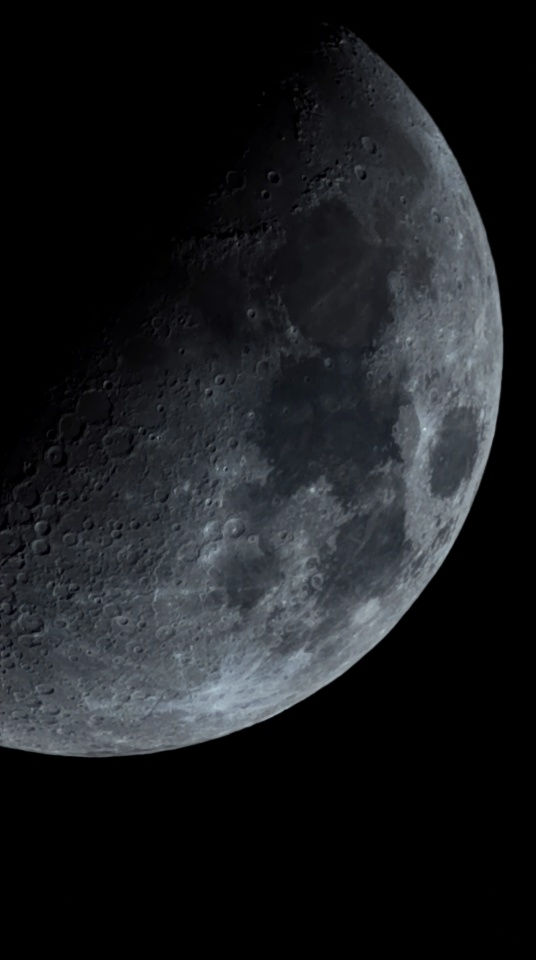
SGO 005— Lunar Observation (Unprocessed Series)
Object: Moon (Waning Gibbous)
Date: 2025-12-27
Location: North Carolina, USA
Capture Method: Single-frame lunar image
Processing: None — published as captured
Location
Latitude: 35.408752° N
Longitude: -80.579514° W (≈ 35° 24′ 31.51″ N / 80° 34′ 46.25″ W)
LatLong
Weather & Conditions ~40–50 °F (4–10 °C)
Time and Date: Conditions at Observation Time: Expect cloudy to mostly cloudy skies in the evening and night—typical for a late-December Piedmont front.
Gear
Seestar S50 — Primary imaging instrument capture (direct single-frame acquisition).
ZWO Seestar Tripod Head TH10 (EQ-capable Fluid Head)
TH10 EQ Wedge / Precision Adjustment Bracket
Observation Summary
This image records the Moon in a waning gibbous phase, with the terminator advancing across the western portion of the lunar disk. The terminator region is the most visually and geologically informative area of the image, where low-angle sunlight produces long shadows that sharply define surface relief. Crater rims rise prominently from surrounding terrain, and overlapping impact scars are visible in the densely cratered highlands. These regions represent some of the Moon’s oldest surviving crust, largely unchanged for billions of years.
Moving away from the terminator, the surface transitions into darker, smoother expanses known as lunar maria. These basalt plains formed later in the Moon’s history when molten material flooded large impact basins and cooled into relatively flat surfaces. Under more direct illumination, the maria appear calm and uniform, masking the violent impacts that originally created the basins they fill. The contrast between bright, rugged highlands and darker maria is clearly visible without enhancement, revealing the Moon’s layered geological history.
Near the fully illuminated limb, surface detail becomes visually subdued as shadows collapse under near-vertical sunlight. This apparent flattening is not a loss of surface structure, but a consequence of lighting geometry. The same terrain that appears dramatic near the terminator becomes less legible when illuminated head-on. The gradual shift from high relief to reduced contrast across the disk makes this image a study not only of lunar geology, but of how illumination governs perception.
This frame is presented without stacking, sharpening, or tonal adjustment as part of an ongoing raw lunar observation series. It prioritizes phase, surface continuity, and natural tonal response over post-processing or feature isolation, preserving the Moon as it appeared at a specific moment in its orbital cycle.
Other Luncr Photos in This Collection


Comments