Dirt Project – DP-003
- Jan 1
- 4 min read
Updated: 2 days ago
San Bernard River Corridor (Cat Spring, TX)

Project: Dirt Project
Entry ID: DP-003
Location: Cat Spring, Texas (San Bernard River Corridor)
Associated Expedition: EXP-003
Terrain Type: Gulf Coastal Plain – Sandy Depositional System
Geologic Context: Early Pleistocene (Willis-type deposits) → Modern Alluvial System
Date Collected: March 14 and 15 2006
Samples: DP-10 → DP-16
Overview
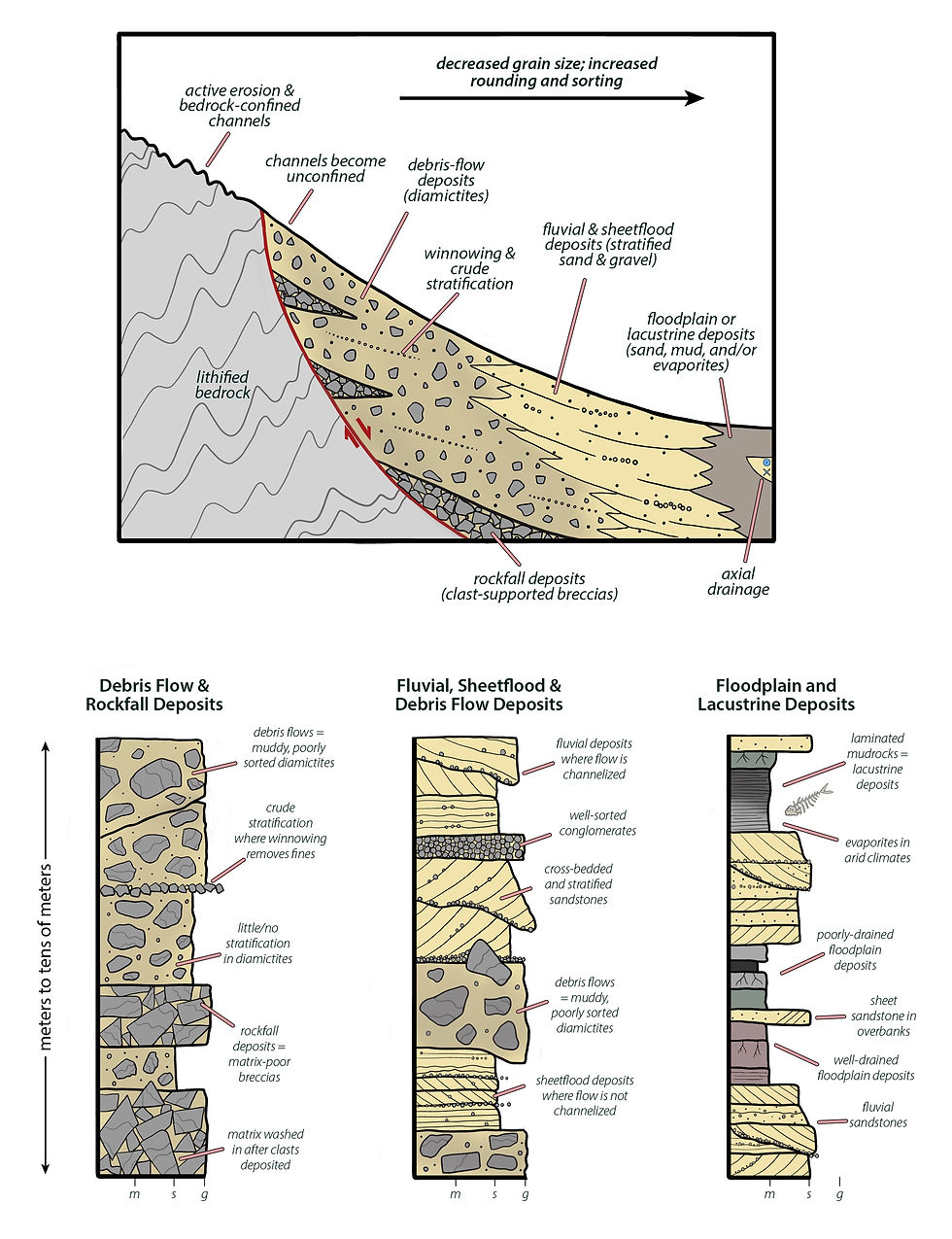
The Cat Spring course sits within the Gulf Coastal Plain, a landscape built over long periods of time by rivers moving toward the Gulf of Mexico. Those rivers carried enormous volumes of sand, silt, and gravel, spreading them across wide, low-lying areas and gradually building up thick layers of sediment. What looks like simple ground at the surface is actually the top of a much deeper system—stacked deposits laid down by earlier river systems and preserved over time.

From a distance, this landscape appears flat. The horizon is broad, elevation changes are subtle, and nothing immediately suggests complexity. But that impression breaks down as soon as you move across it on foot. At ground level, the terrain is loose, uneven, and constantly shifting underfoot. Sandy surfaces give way in places, firm up in others, and are interrupted by shallow cuts, small ridges, and irregular slopes. These features are not random. They are the result of modern processes actively working on top of older deposits.
Water is the primary driver. Rainfall and runoff move easily through sandy material, carving small channels and weakening slopes. The San Bernard River continues to rework sediment along its course, while smaller creeks and drainage paths cut into the surrounding terrain. At the same time, some areas remain stable long enough for finer material and organic matter to accumulate, beginning the transition from loose sediment into soil.
What you experience on the course is the interaction of all of these processes at once:
older sandy deposits forming the base
active river sediment near the channel
runoff carving and reshaping the surface
localized stability where soil begins to develop
This is why the terrain can look flat on a map but feel broken and inconsistent underfoot. The large-scale structure is simple, but the surface is constantly being modified.
This entry documents that system directly through six sediment samples collected across the San Bernard River corridor and the race course, capturing different stages of that process in place.

Field Observations – Terrain
Despite its classification as coastal plain, the course terrain showed:
repeated short climbs and descents
uneven sandy footing
shallow drainage cuts
alternating loose and compact ground
These features reflect erosional dissection, where water runoff cuts through sandy material and creates a broken surface. The terrain is not built by elevation. It is built by water movement across soft ground.
Sample Set Overview
The samples form a continuous gradient across the landscape:
River → Bank → Stable Surface → Course → Creek → Soil
This sequence captures the transition from active sediment transport to long-term stabilization.
DP-10 – Dry Sand Taken From San Bernard River Bank
GPS Coordinates (FM 949 bridge crossing)
Latitude: 29.8036° NLongitude: -96.3310° W

Light-colored quartz grains
Loose, non-cohesive
Sub-angular grain shapes
Interpretation:Recently exposed alluvial sand deposited by the San Bernard River.
DP-11 – Wet San Bernard River Mud (Active Channel)
GPS Coordinates (FM 949 bridge crossing)
Latitude: 29.8036° NLongitude: -96.3310° W

Fine-grained matrix (sand + silt + mud)
Cohesive when wet
Iron staining / darker coloration
Interpretation:Active alluvium — sediment currently being transported by the river, including fines.
DP-12 – Stabilized Surface (~100 Yards from River)
GPS Coordinates (FM 949 bridge crossing)
Latitude: 29.8036° NLongitude: -96.3310° W

Mixed grain sizes
Surface coatings
Early structure development
Interpretation:Transition zone from sediment to developing soil, with reduced reworking.
DP-13 – Race Course Surface
Collection Context: Taken just off the race course near Mile 3 (Super distance) at 7iL Ranch, Cat Spring, Texas.
GPS Coordinates Latitude: 29.90045° N Longitude: -96.30728° W

Sandy with mixed fines
Irregular structure
Uneven compaction
Interpretation:Represents older sandy deposits forming the base of the course, modified by erosion and runoff.
DP-14 – Creek Crossing Sediment (Mud)
Collection Context: Taken directly from the creek bed at a course crossing near Mile 4 (Super distance) on the 7iL Ranch race course, Cat Spring, Texas.
GPS Coordinates: Latitude: 29.8036° N, Longitude: -96.3310° W

Mixed grain types (quartz + darker minerals)
Variable grain size
Locally reworked
Interpretation:Sediment from a small drainage system, actively reshaping the terrain.
DP-16 – Soil / Organic Layer
Collection Context: Taken from a vegetated area just off the race course Mile 5 of Super Course at 7iL Ranch, Cat Spring, Texas, in a zone showing stable ground cover and minimal disturbance.
GPS Coordinates: Latitude: 29.90045° N, Longitude: -96.30728° W

Fine grains
Organic fragments
Darker coloration
Interpretation:Stabilized soil layer, indicating long-term surface development.
System Interpretation
The Cat Spring landscape is composed of interacting processes:
Zone | Process | Surface Expression |
River | Active transport | Wet sediment, mud |
River margin | Deposition | Loose sand |
Adjacent land | Stabilization | Firmer surface |
Ranch surface | Older deposits | Uneven footing |
Creek systems | Erosion | Cuts, slopes, channels |
Soil zones | Biological activity | Dark, stable ground |
Deep Time Linkage
Then → Now → Surface
Then (Early Ice Age – ~1–2 million years ago)
Large river systems deposited thick layers of sand across southeast Texas.These deposits form the structural base of the region.
→ Broad, sandy floodplains→ Massive sediment accumulation→ Formation of units like the Willis-type deposits

Now (Modern System)
The San Bernard River continues to:
cut into older deposits
transport and redistribute sediment
feed smaller drainage systems

At the same time
rainfall drives surface erosion
creeks carve into the terrain
sediments are constantly reworked
Surface (What We Ran On)
The race course represents a composite surface:
ancient sandy deposits (foundation)
modern river sediment (active zones)
erosion features (terrain variation)
soil development (stability zones)
The ground is not one thing.It is time layered into a surface.
Expedition Summary
This is not just sand.
This is a multi-stage sediment system where:
ancient deposits provide the base
rivers rework material
runoff reshapes the surface
biology stabilizes portions over time
You are not running on terrain.
You are running across different stages of landscape evolution at once. The Cat Spring course looks flat on a map, but the ground tells a different story. Near the San Bernard River, sediment is loose and actively reworked. Farther away, the surface becomes more stable and soil-like. Across the course, small creeks and runoff have carved through older sandy deposits, creating constant variation in footing and elevation. What appears uniform at scale becomes a broken, shifting surface underfoot.


Comments